Skip to content
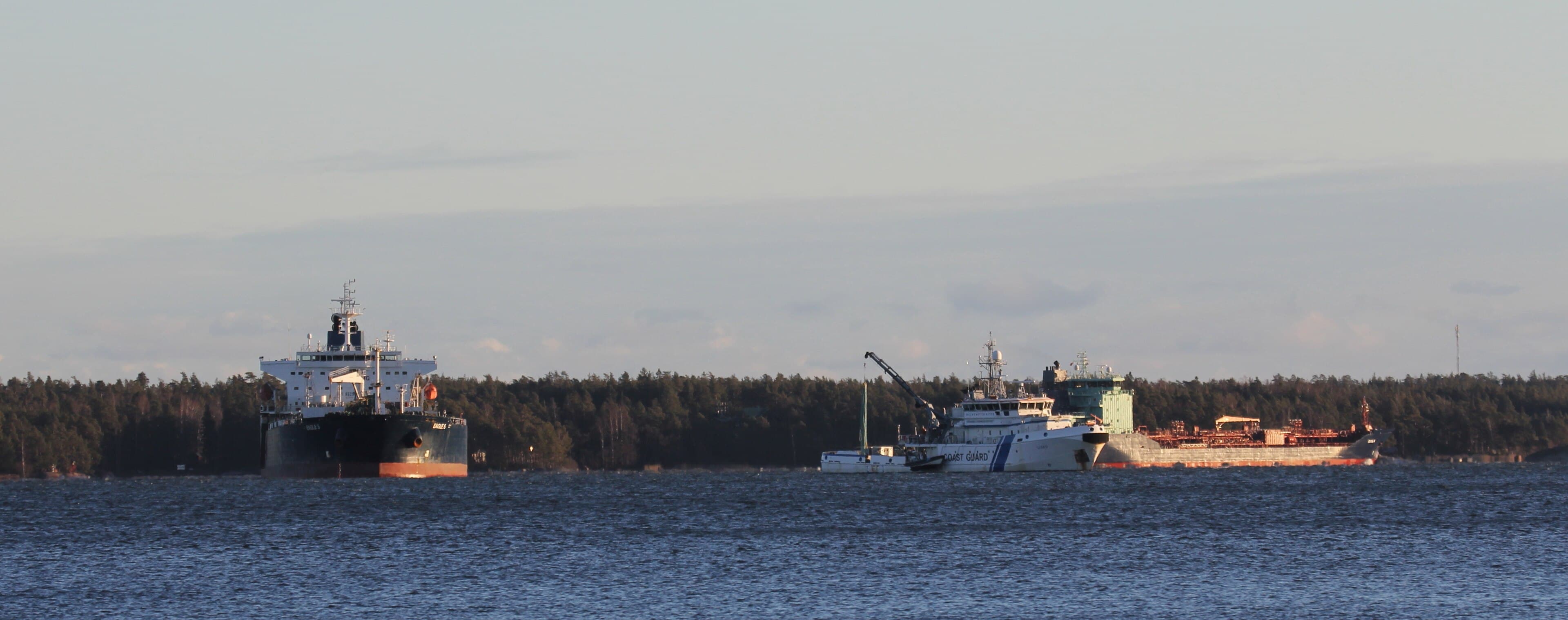
Crude oil tanker under way

Commodity Trading & Shipping Club

at the University of Lausanne

About us

A student club for the physical side of commodities.

CSC, the Commodity & Shipping Club, is a student association at HEC Lausanne, founded in 2026 by three students who kept running into the same problem: the commodity industry is one of the largest employers on our doorstep, and almost none of it is taught.

We are not a finance society and we are not a careers fair. The club is built around one subject, how raw materials are bought, financed, shipped and sold, and around the people who do that work for a living. Everything we run comes back to that: talks with practitioners, workshops on the mechanics, visits to trading floors, and a market note written by our own members.

Membership is free and open to every student at HEC Lausanne, at any level and from any programme. There is no entry test and no prior knowledge assumed. The only thing we ask for is genuine curiosity about how goods actually move.

Our reason for being

Geneva is forty minutes away, and almost invisible from here.

Switzerland handles a large share of the world's traded crude, grain, sugar, coffee and metals, and most of that business is run from Geneva, Zug and Lugano. For a student in Lausanne the industry is close enough to visit on a Wednesday afternoon, and far enough from the syllabus that most people graduate without ever meeting anyone who works in it.

That distance is what the club is for. Not to replace the degree, but to add the half of the picture the degree does not cover: the contract, the cargo, the vessel, the letter of credit, and the people whose job it is to make all four line up on the same day.

We think a student who understands why a Capesize rate moved, or what demurrage does to a margin, is in a different conversation with a recruiter than one who has only seen the price chart. Our job is to get our members into that conversation.

What we do

Four formats, run through the academic year.

Expert talks

Practitioners from trading houses, shipowners, brokers and banks, in a room small enough to ask a real question.

Hands-on workshops

A cargo priced, hedged and shipped end to end. Freight economics. Trade finance. Worked examples, not slides.

Company visits

Trading floors and operations desks in Geneva and Zug, with time afterwards to talk to the graduate intake.

Publications

A market note every two weeks, researched and written by members: what moved, why, and one trade taken apart.

The markets

What sits inside each complex.

Members do not have to specialise. Most people arrive with a vague interest in one of these and leave with a clear preference.

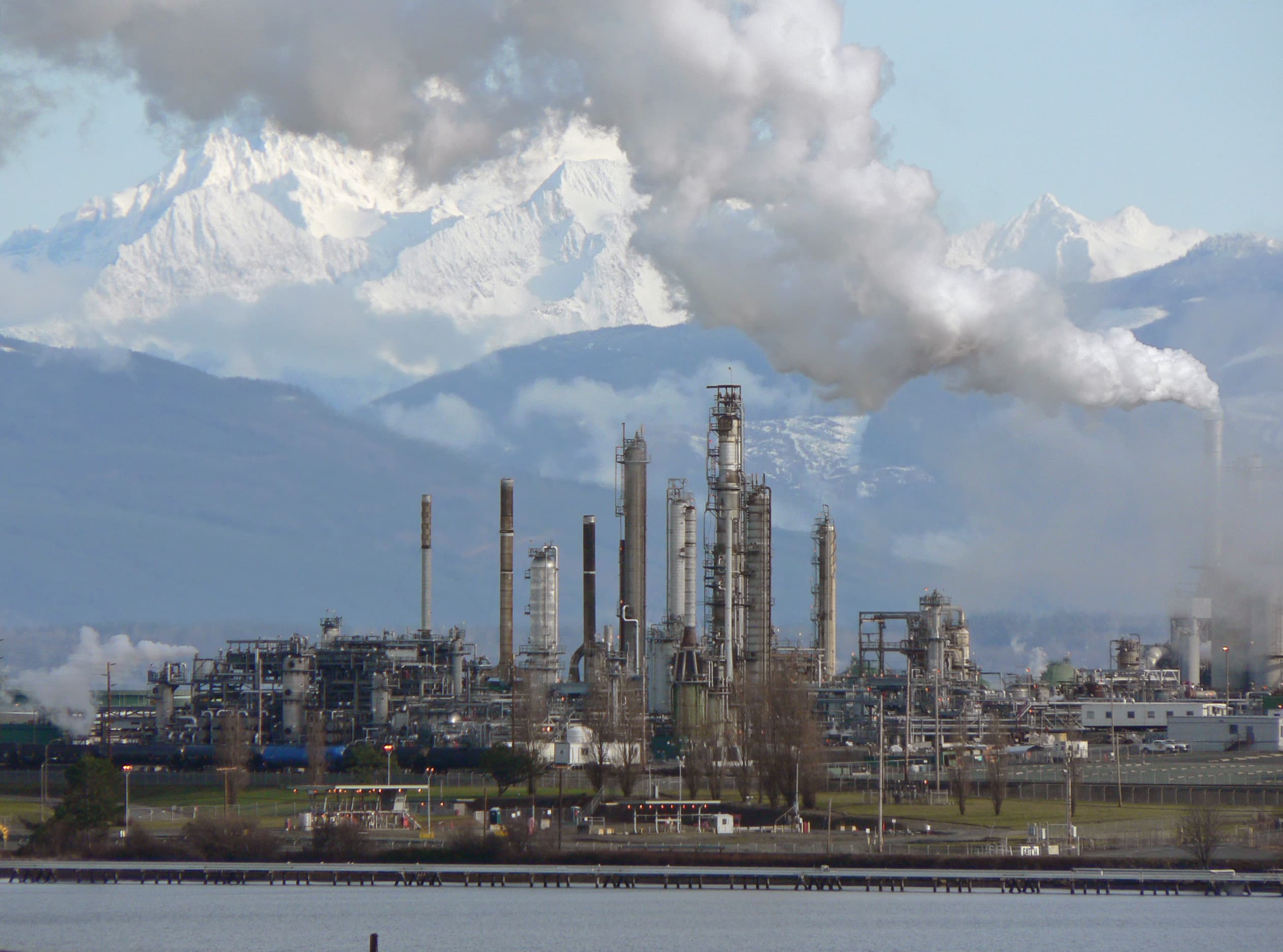
Oil refinery with distillation towers at dusk01

Energy

Crude oil, refined products, natural gas, LNG and power. The largest and most politically exposed commodity complex.

Prices here are set as much by OPEC+ policy, sanctions and freight routes as by supply and demand.

  • Crude grades & differentials
  • Refining margins
  • LNG & gas hubs
  • Power and carbon
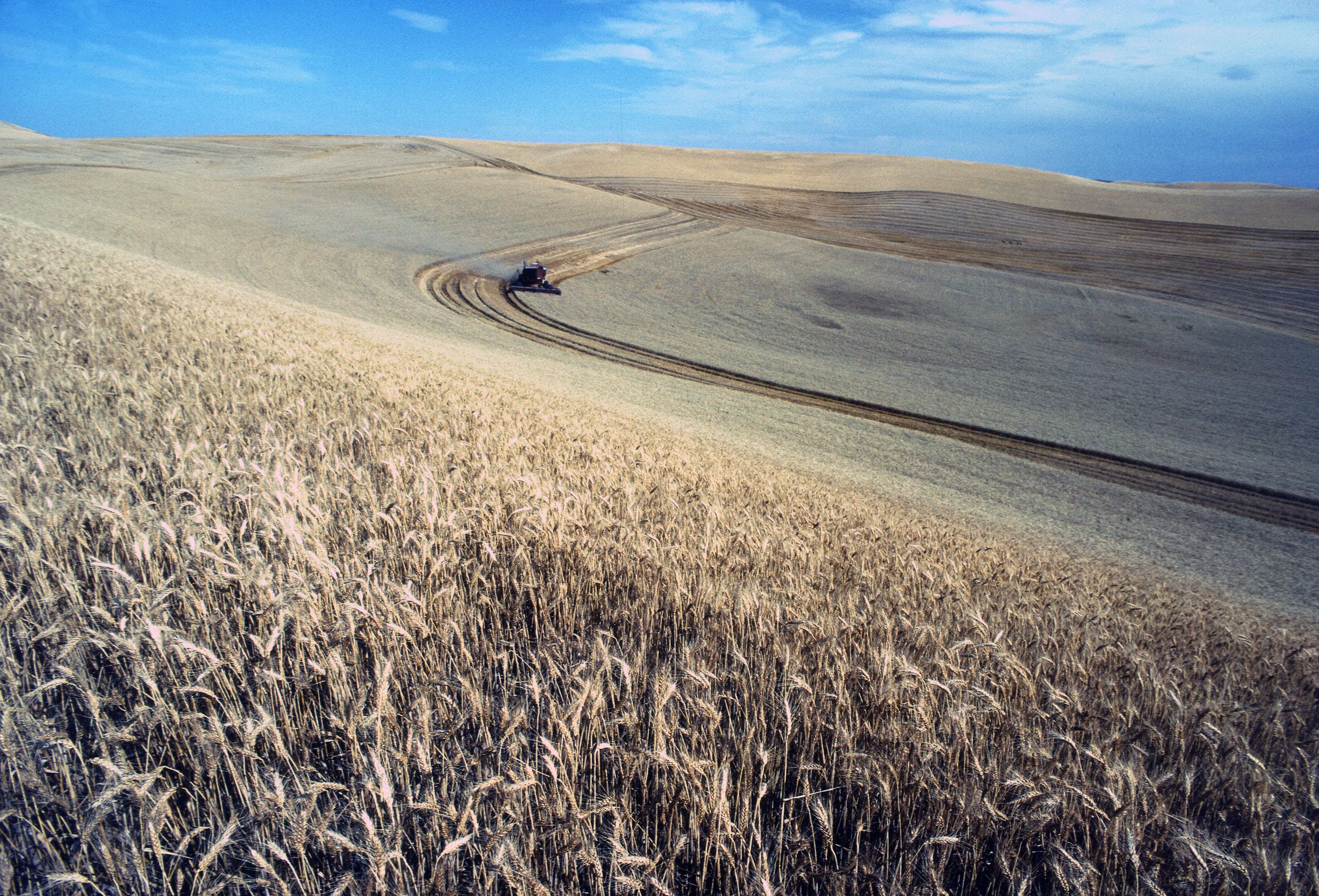
Combine harvesters working a wheat field02

Agriculture

Grains, oilseeds and softs: wheat, corn, soybeans, coffee, cocoa, sugar. Seasonal, weather-driven, and deeply local.

A weather map in Mato Grosso or the Black Sea moves this market faster than any central bank.

  • Grain & oilseed flows
  • Softs and origination
  • Crush and processing margins
  • Export basis
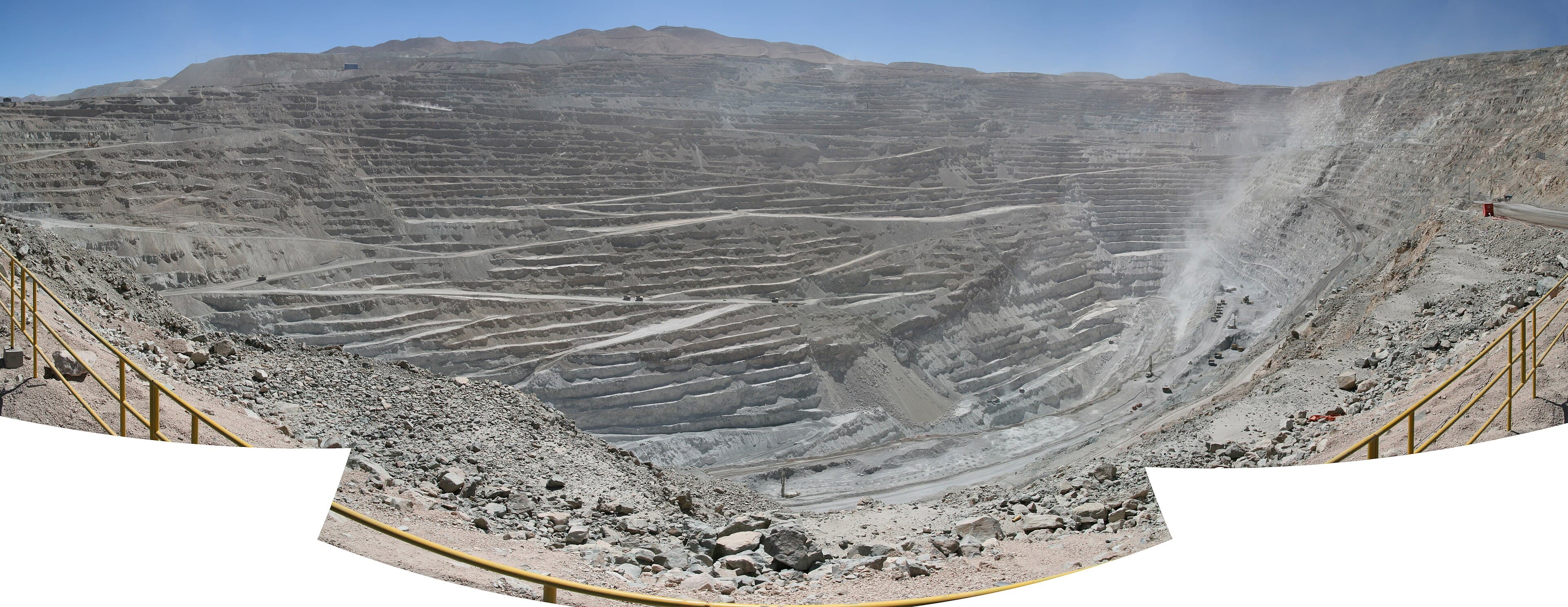
Panorama of a large open-pit copper mine03

Metals & Mining

Base metals, precious metals and the battery materials behind the energy transition. Long project lead times, hard supply limits.

Mine supply cannot respond quickly to price, which is what makes these markets so violent.

  • Copper, aluminium, zinc
  • Gold and precious
  • Lithium, nickel, cobalt
  • Concentrate & smelting terms
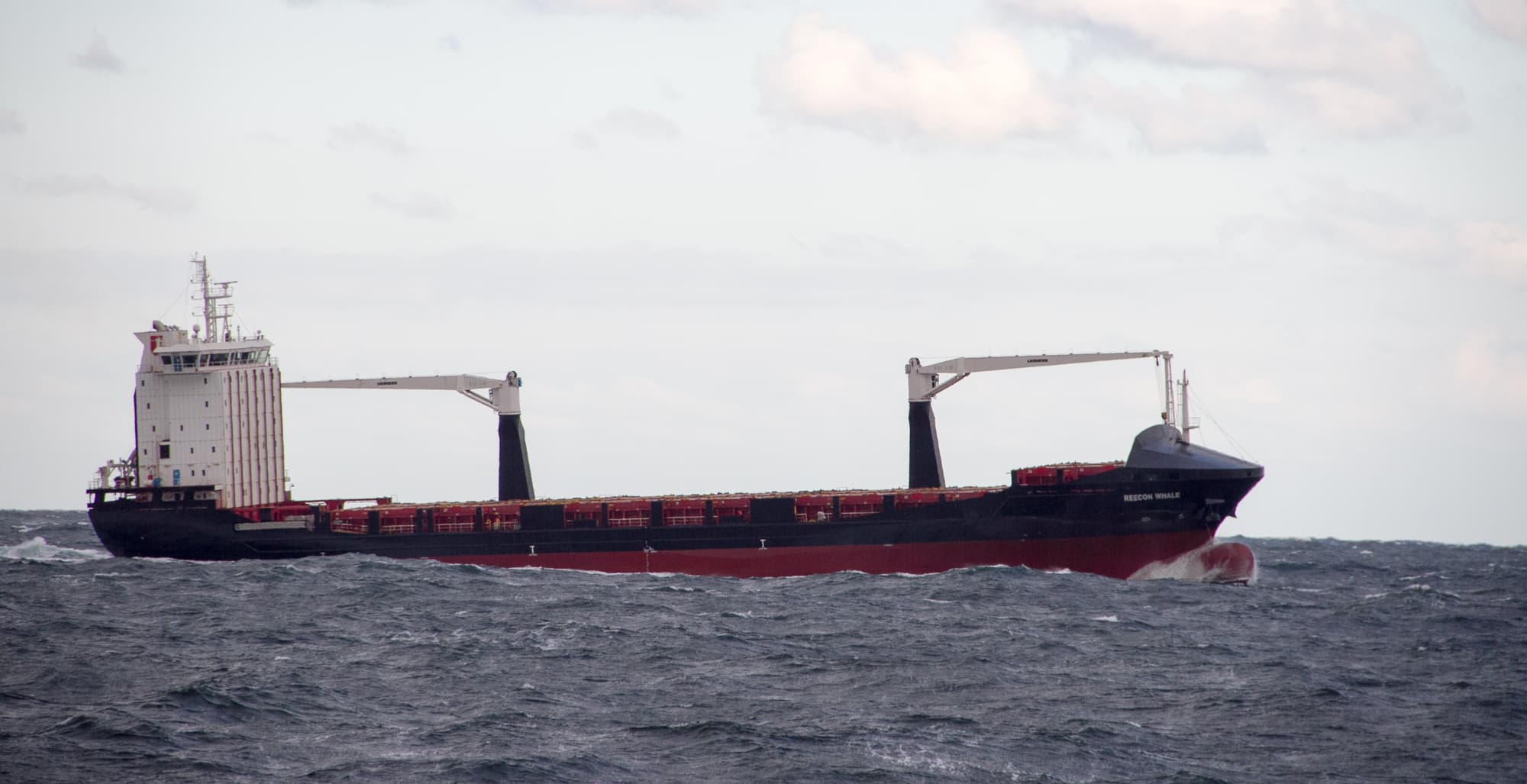
Container ship under way at sea04

Freight & Shipping

Tankers, dry bulk and containers: the physical leg that turns a price in one place into a price in another.

Freight is where a trade is won or lost. Vessel supply is fixed in the short run; demand is not.

  • Tanker & dry bulk rates
  • Chartering and voyage economics
  • Ports, canals, chokepoints
  • Demurrage & laytime

Come to one event before you decide anything.